Welcome to Greenwich Skeptics in the Pub!
Next talk on 9/Nov: “When Should Speech Be a Crime?” by Andrew Copson
Greenwich SitP is currently the only branch of SitP in South East London. The idea is simple: Once a month, we all meet up in a pub to hear a guest speaker and enjoy a drink or three.

Our regular meet-up spot has changed as of October 2025. We’ll now be gathering at The Plume of Feathers (19 Park Vista, SE10 9LZ) on the second Monday of each month, unless otherwise noted. Talks will begin at 7:30pm. Although the talks are free and open to all, we would appreciate a small contribution towards covering speakers’ expenses (suggested donation: £4).
Stay updated on our latest events right here on our website, or connect with us on:
- Meetup: Greenwich Skeptics in the Pub
- Twitter: @greenwichsitp
- Bluesky: @greenwichskeptics.org
- Mastodon: @GreenwichSITP@mastodon.world
- Facebook: Greenwich Skeptics in the Pub
We look forward to seeing you at one of our informal gatherings soon!
Our Next Talk

When Should Speech Be a Crime?
Andrew Copson
Humanist UK
9 November 2026 Monday 19:30
The Plume of Feathers
19 Park Vista, Greenwich, SE10 9LZ
In a democratic society, few principles are as cherished—or as fiercely contested—as freedom of expression. However, the line between a protected opinion and a criminal act is often blurred by the heat of modern debate. In this talk, Andrew Copson explores the delicate balance between the right to speak and the right to be protected from harm. He will navigate the vital distinction between legal censorship and social accountability, examining why freedom of speech does not equate to freedom from the consequences of that speech.
Andrew Copson has been the Chief Executive of Humanists UK since 2009 and served as President of Humanists International for a decade. A prolific author and commentator, he has co-written several bestsellers on humanism with Alice Roberts and authored Secularism: A Very Short Introduction. A regular contributor to national press and broadcast media, Andrew has advised numerous government departments and public bodies on secularist and ethical issues. He is a Classics and History graduate of Balliol College, Oxford, and a Fellow of the Royal Society of Arts.
NB: This talk was advertised for a different date. Apologies for the change, and thanks for bearing with us!
December 2026

The Devil’s Advocate: Demons and the Law
Naomi Ryan
Criminal Barrister
14 December 2026 Monday 19:30
The Plume of Feathers
19 Park Vista, Greenwich, SE10 9LZ
The Devil is a figure of fascination. Over the centuries, he has been depicted as a tempting snake, a malicious goat, a tragic fallen angel, a terrifying, cloven footed beast and even a squeaky voiced, saucy South Park character. He has captured the attention of writers, poets, folklorists, historians, philosophers and most obviously, the Catholic Church. But few people know the role that he has played in shaping the law. Satan has played central roles in a whole array of cases. If the allegations are to be believed, Lucifer and his impish minions have led women to commit acts of witchcraft, often involving kissing various orifices. They have possessed people’s minds and sent messages through rock music, tricking them into committing horrible crimes. A demon has even taken physical form to torment and abuse a BBC journalist.
Join barrister and supernatural-enthusiast Naomi Ryan for a look at some truly Luciferian law. Learn about murder cases involving demonic possession and satanic cases of slander. Listen to recordings of demons that were actually played to judges and hear about the lascivious acts of loyalty witches had to show to their Satanic master. But most importantly of all, learn how judges, barristers and juries have engaged with these baffling claims to ensure that in most cases, justice was done to all..
Naomi Ryan is a criminal barrister and lover of all things macabre. After qualifying with an first class undergraduate degree from UCL and a Masters in Law from St Catherine’s College, Oxford, she taught criminal law to undergraduates at St Hilda’s College Oxford and University College London before embarking on her career as a criminal barrister. She both prosecuted and defended before moving to the Civil Service, where she worked for an array of prestigious departments, including the Attorney General’s Office, the Director of Public Prosecutions and the Court of Appeal. She has since moved back to the self-employed bar, where she both prosecutes and defends.
When she isn’t advising legal luminaries, she delivers spirited(!) talks on macabre events in legal history. She is a regular feature at London’s Month of the Dead festival, and can often be found addressing museums and other legal and supernatural organisations on the spooky and scintillating topic of ghost law. Her favourite subjects include ghosts as witnesses, the prosecution of fraudulent mediums and the High Court’s treatment of demon mongooses called Gef.
January 2027
Doodles in the Dark:
An Artist’s Guide to Lucid Dreaming
Dave Green
Artist
11 January 2027 Monday 19:30
The Plume of Feathers
19 Park Vista, Greenwich, SE10 9LZ
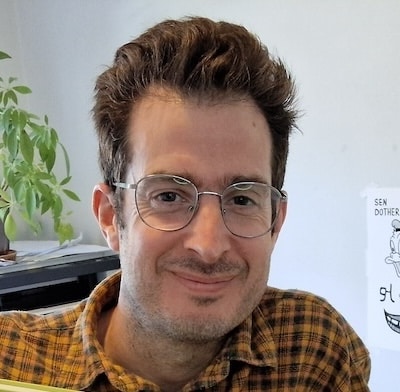
Artist Dave Green gives a talk based around his new book Doodles in the Dark: An Artist’s Guide to Lucid Dreaming. Dave draws pictures inside his lucid dreams and recreates the results upon waking up, a practice that’s drawn the interest of neuroscientists and led to peer-reviewed research including a study into precognitive dreams with Skeptics in the Pub’s very own Christopher French. Join Dave on a genre-bending journey through the science, history and philosophy of the dreaming mind all told through his otherworldly dream doodles. He might even give you some tips to learn lucid dreaming yourself.
Dave Green is a London based artist who creates simple line drawings in his lucid dreams which he re-creates upon waking up. Lately he has been experimenting with giving his pen and paper to other people in his dreams to see what they create. His art has been featured in BBC Science Focus and DreamTime magazine. He has lectured about his work at Tate Modern and is the subject of a documentary by The World Science Festival called ‘The Dreaming Pen’. His new book Doodles in the Dark: An Artist’s Guide to Lucid Dreaming is available now.
February 2027
“Purges, Emetics, Bleedings”… and Experience?
On Homeopathy’s Past (and Present) Medical Place
Dr Caitjan Gainty
Writer, Historian of Medicine
8 February 2027 Monday 19:30
The Plume of Feathers
19 Park Vista, Greenwich, SE10 9LZ
In 2018, in response to a legal challenge, the NHS formally discontinued funding homeopathic care and remedies, which surely came as a blow to then one of the largest homeopathic facilities in Europe, the Royal London Hospital for Integrated Medicine or, as it was known between its founding in 1849 and its 2010 name change, the Royal London Homeopathic Hospital. In no small way this move was helped by the work of the physician-scientist Edzard Ernst, whose extensive and intensive scientific scrutiny of complementary and alternative therapies – especially during his near 30 year tenure as the Laing Chair in Complementary Medicine at Exeter – has relegated most homeopathic remedies to the therapeutic scrap heap.
For many of us, neither Ernst’s findings nor the NHS’s defunding of homeopathy are so surprising. After all, from Samuel Hahnemann’s founding of homeopathy in the early 19th century to the present, homeopathy has been not just subject to critique but widely mocked, for the twinned absurdities that characterised its remedies: serial dilution, to the point where only “essence” was left, and a showy, often theatre-worthy choreography of rubbing and shaking required to “activate” it. What is surprising, though, is just how attached we’ve been to homeopathy nevertheless, such that its dislocation as a legitimate medical therapy would come so late and require so much to get it off of the NHS’ books.
What is it we have liked, and judging by its ongoing global popularity, continue to like so much about homeopathy? That’s the question that guides this talk, inspiring both a look back to the 19th century origins of homeopathic practices and their adherents and critics and a look from the vantage point of homeopathy at the rest of medicine’s more-pluralistic-than-we-like-to-think landscape.
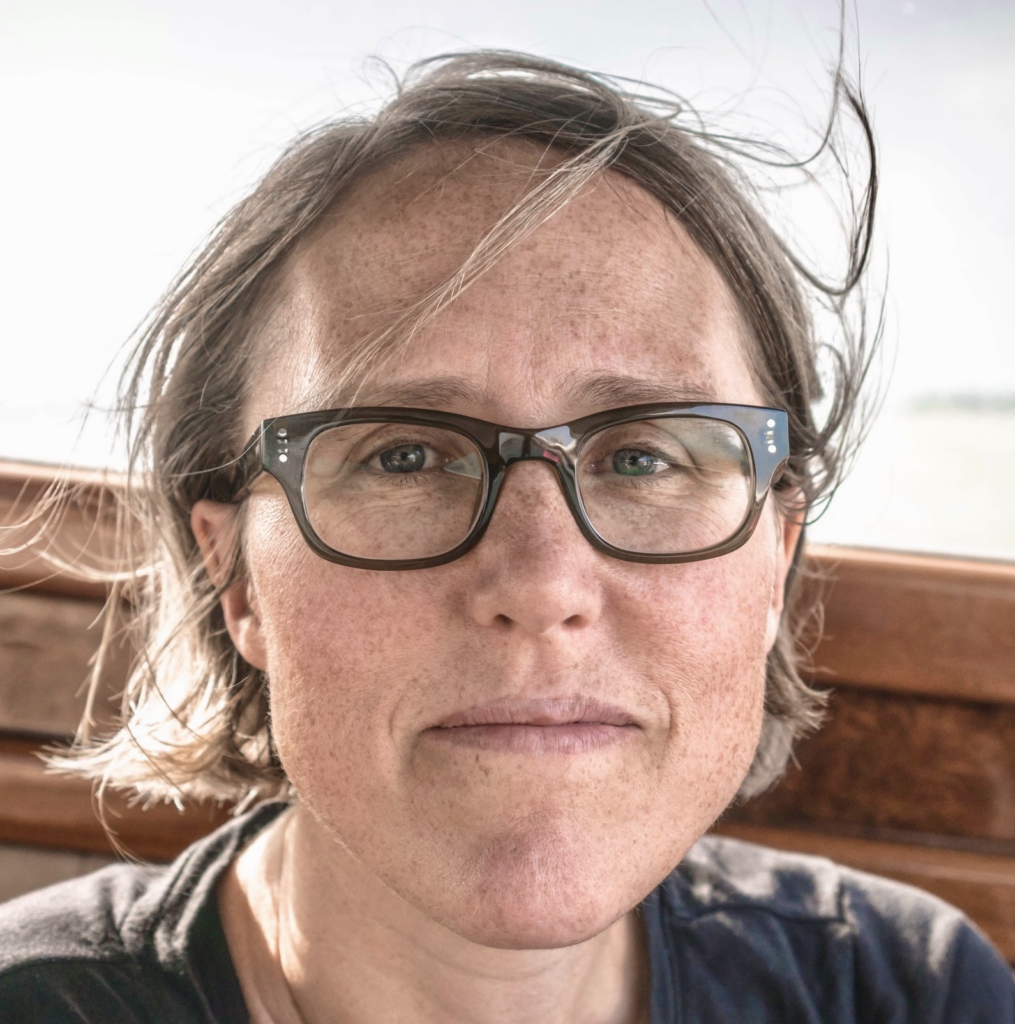
Caitjan Gainty is an award-winning writer and a historian of medicine at King’s College London. She has written two books, one on the surprising significance of efficiency – an idea and set of practices borrowed from the factory floor – for early 20th century American medical practice, and the other, titled Healthy Scepticism, on the history and contemporary of medicine written from the vantage point of the hidden doubters and critics in us all. Caitjan is in the midst of researching a new project tentatively titled Unproductive, which offers up a history of our obsession with being productive and the wild things it has made us do and think and believe in its pursuit.
March 2027
The Unexpected Maths of Juggling
Dr Colin Wright
8 March 2027 Monday 19:30
The Plume of Feathers
19 Park Vista, Greenwich, SE10 9LZ
How can you describe a juggling trick? In the mid-1980s several groups around the world were exploring the idea, and a notation developed. Then they found that when they had the courage to leave gaps, patterns emerged. But gaps in patterns need to be filled!! And thus were new and unknown juggling tricks discovered. In this talk we’ll see how the notation can be developed, and finish with a potentially new juggling pattern for the speaker to attempt.
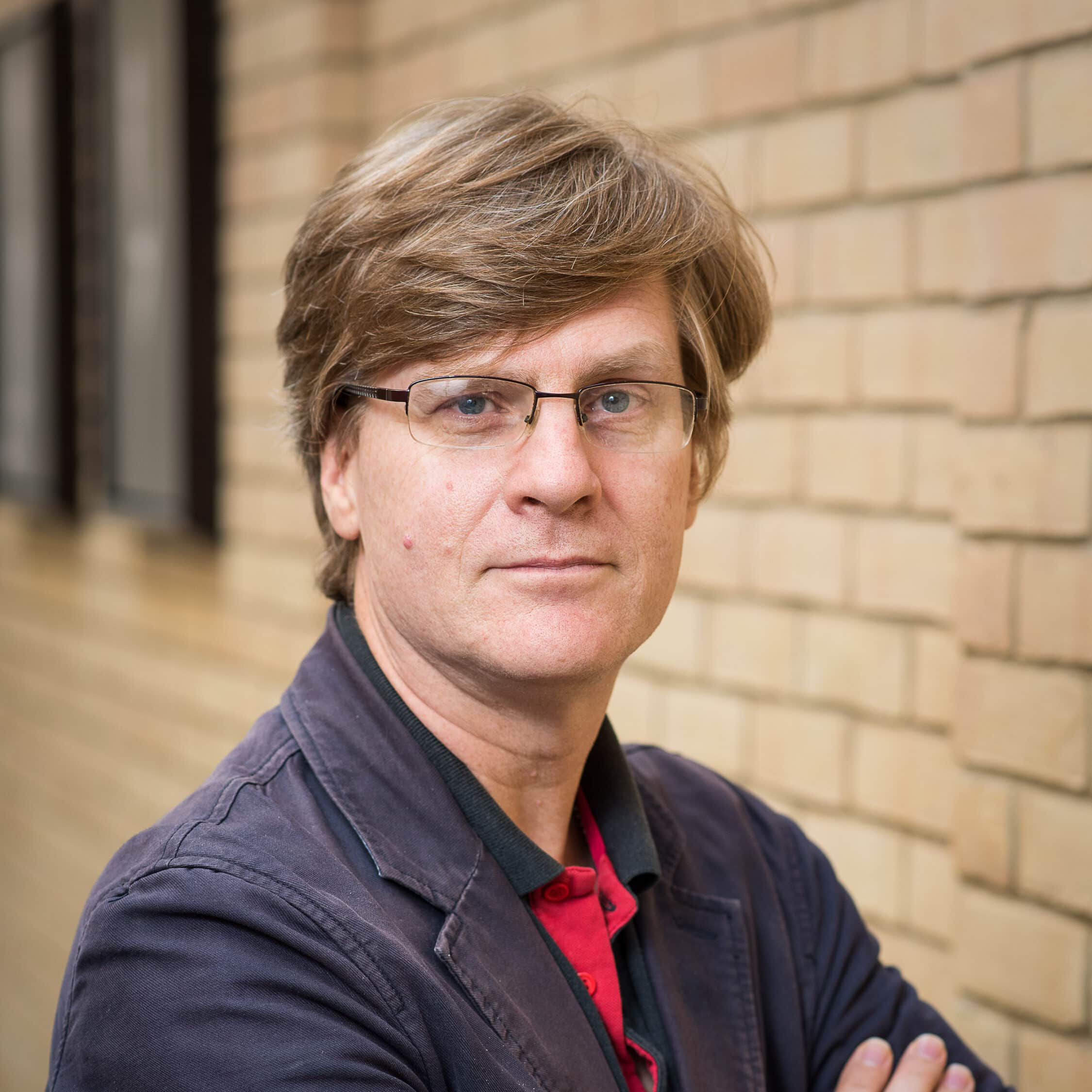
Colin Wright completed his PhD in 1990, has worked in industry, and has appeared on Radio, TV, in books, and on the internet. He is a non-exec Director of Research and Development for a Marine Radar Company that produces equipment to do the maritime equivalent of Air Traffic Control.
Colin has done research in mathematics, data science, and computer science, but his primary activity is now giving talks and workshops on the unexpected emergence of mathematics. In that role he is a full-time freelance provider of Outreach and Enhancement, giving shows, workshops, and masterclasses in mathematics all over the world.
April 2027
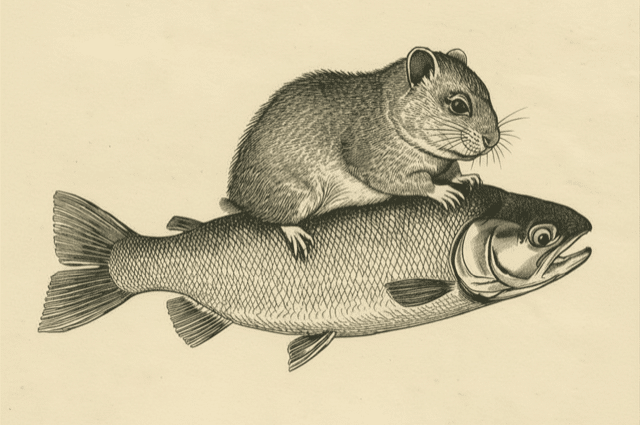
The Levitating Hamster and the Salmon of Doubt
Richard Marshall
Science Communicator
12 April 2027 Monday 19:30
The Plume of Feathers
19 Park Vista, Greenwich, SE10 9LZ
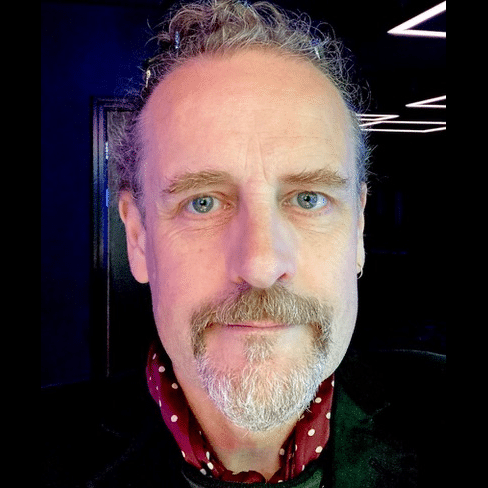
Animal studies contribute hugely to science but, with few exceptions, the animals themselves are rarely the stars of the show. To set this right, science communicator and host of Science in the Pub, Richard Marshall, has collected some of the funniest, quirkiest, and most bizarre stories of animals in science for a talk which explores: Can hamsters levitate? Do salmon emote? Did herring revive Doctor Who? And just why are there so many cats in science?
Richard Marshall is on a mission to make science accessible, enjoyable and understandable. He’s been hosting Science in the Pub for nearly a decade, and in 2025 became presenter-producer of a radio show imaginatively titled The Science Show. Broadcasting on Resonance 104.4 and streaming on Mixcloud, as a podcast it regularly beats Neil deGrasse Tyson to the Number 1 spot. In 2024 he staged a sell-out one man show of narrative comedy called The Levitating Hamster and Other True Stories from Science. This talk is not that show — he’s just not very good at coming up with new titles.
May 2027
What QAnon did next:
Trump 2.0, Epstein, and the race for 2028
James Ball
Journalist
17 May 2027 Monday 19:30
The Plume of Feathers
19 Park Vista, Greenwich, SE10 9LZ
It started out as a joke on 4chan: an account that came to be known as “Q” posted gnomic clues about a supposed mass operation to arrest Hillary Clinton for crimes against humanity. It turned into the global movement known as QAnon, which claimed Clinton was at the helm of a global, Satanic, child abuse ring – and Donald Trump would stop it.
Trump himself embraced the movement, it grew in power and volume, and it was instrumental in the Jan 6th riots. But now… it’s nowhere. So, where did QAnon go? Where are its key influencers now? And what does it say for the coming US presidential race – and what does it mean for the rest of us?
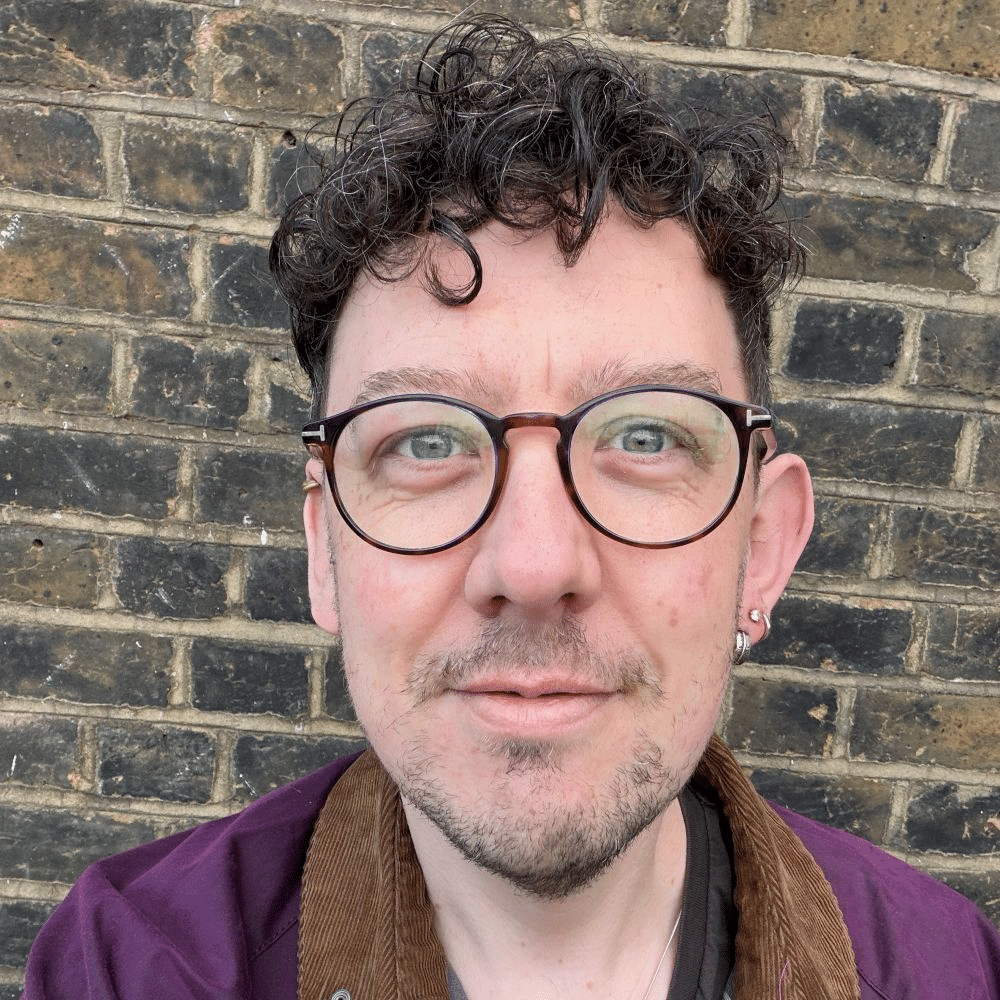
James Ball is an award-winning journalist, broadcaster and author, fellow of the think-tank Demos, and the political editor of The New World.
He has worked as the global editor of TBIJ, a special correspondent at BuzzFeed UK and special projects editor at The Guardian, where he played a key role in the Pulitzer Prize-winning coverage of the NSA leaks by Edward Snowden, as well as the offshore leaks, HSBC Files, Reading the Riots and Keep it in the Ground projects. At WikiLeaks he was closely involved in Cablegate – the publication of 250,000 classified US embassy cables in 2010 – as well as working on two documentaries based on the Iraq War Logs.
James is the author of multiple books, including Post-Truth: How Bullshit Conquered the World and The Tangled Web We Weave: Inside the Shadow System That Shapes the Internet. His most recent book, The Other Pandemic: How QAnon Contaminated The World, was published by Bloomsbury in July 2023. He is researching a PhD on how legal systems interact with AI at UCL Laws.
N.B. This talk is not on our usual second Monday of the month.
June 2027
I’m Getting…Cash:
A Brief history of Psychic Merchandising
Dr Kate Cherrell
14 June 2027 Monday 19:30
The Plume of Feathers
19 Park Vista, Greenwich, SE10 9LZ
Do you know your spiritualist token from your magical watch? What about your telepathic t-shirt from your ESP board game? As long as there have been mediums and psychics, there have been excitable crowds, clamouring for a piece of their heroes. When the universe hasn’t blessed you with the power to communicate with the dead, it can always grace you with the ability to buy a pair of reasonably priced magical earrings from QVC. Psychic merchandising has followed mysticism like a fragrant smell since the dawn of time. Examining the very human desire to collect ‘tat’ can offer a curious insight into the human condition and our changing relationship with belief and the supernatural. From spoon-based psychic Buckaroo to comic books and amulets, psychics have been at the forefront of consumer culture for centuries.
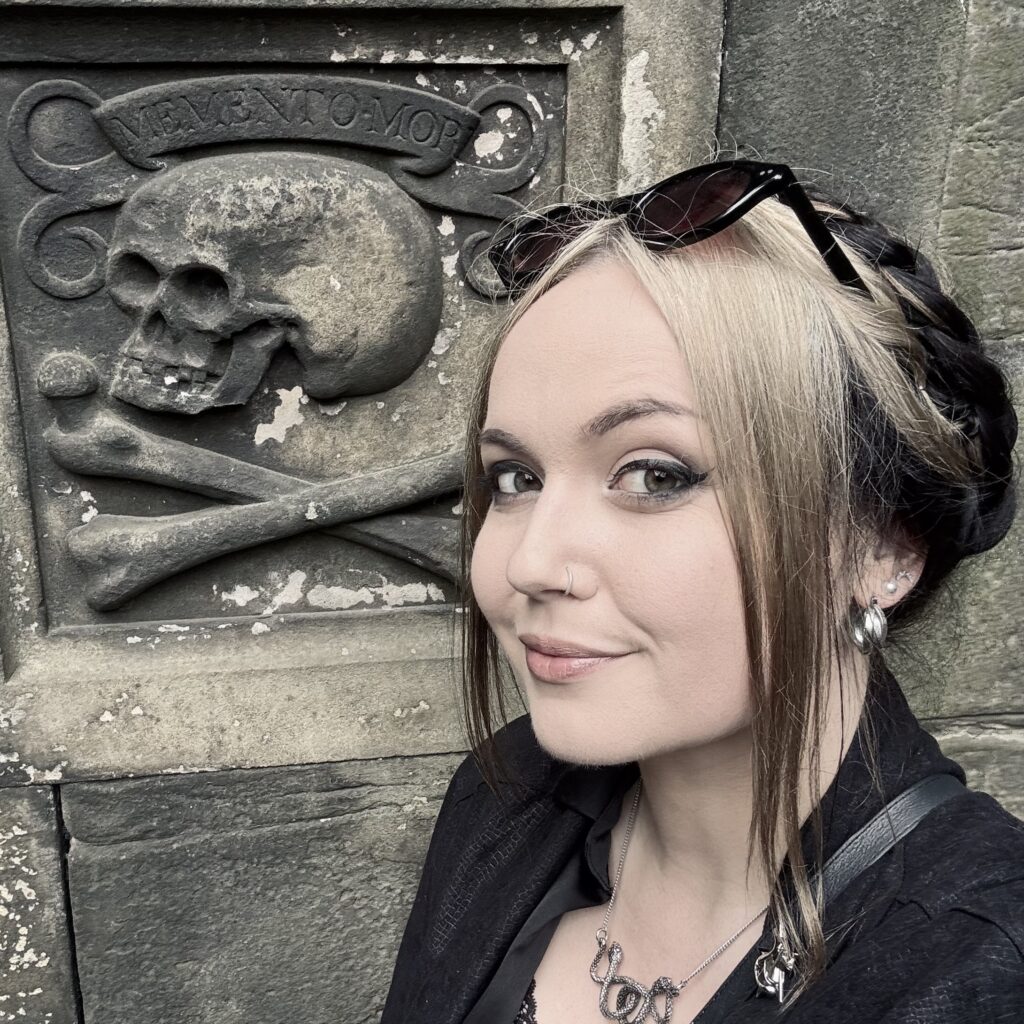
Kate Cherrell is a writer and paranormal historian specialising in spiritualism, popular mediumship and contemporary paranormal cultures. She is the author of Begotten (2025), Memorials to the Dead (2026) and The Sensuality of Séance (2027) with forthcoming works on popular spiritualist history. As a paranormal historian, she has appeared on multiple programmes for Discovery, Really, Blaze and the BBC, and has been known to bother a ghost or two. She obtained her PhD in 2022 and writes commercially on supernatural histories and death cultures. All things considered, she is remarkably cheerful and is currently curating a collection of Doris Stokes ephemera for reasons largely unknown.
July 2027
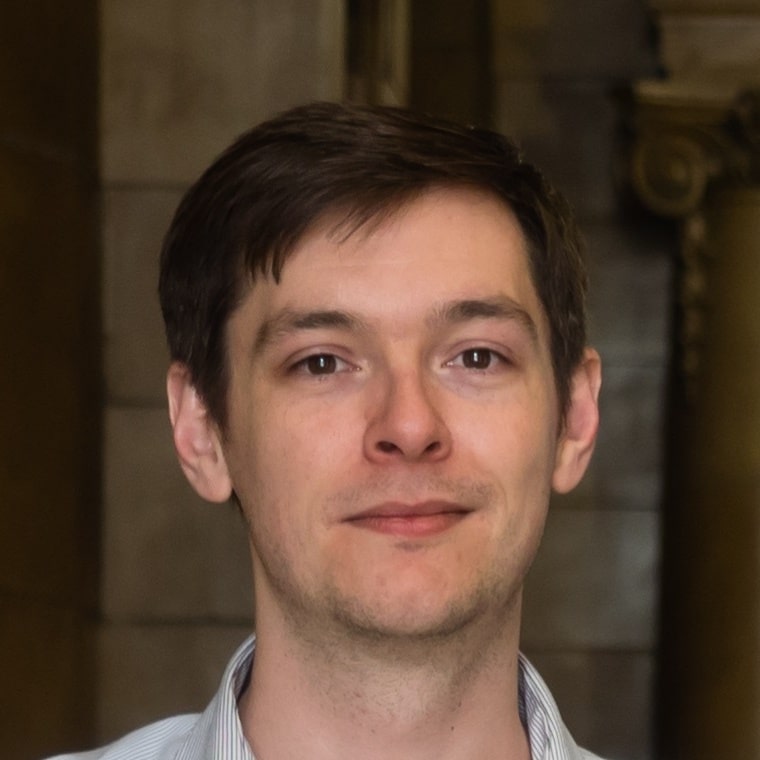
When pseudoscience hides
behind ‘free speech’
Michael Marshall
12 July Monday 19:30
The Plume of Feathers
19 Park Vista, Greenwich, SE10 9LZ
As skeptics and critical thinkers, free speech is a value we must strive to uphold, and to defend. Yet, the free speech argument has often been weaponised by opponents of skepticism, in order to promote pseudoscientific ideas – from creationism in classrooms, to intimidatory anti-abortion protests, to climate change denial. Most recently, prominent “race realists” have appealed to the concept of academic freedom in order to garner support for unscientific eugenicist arguments. Using real life cases from across the last decade, Michael Marshall will show how skeptics have seen our commitment to free speech hijacked and weaponised by the very pseudoscientists we seek to counter.
Michael Marshall is the Editor of The Skeptic magazine, Director of the Good Thinking Society, and President of the Merseyside Skeptics Society. He regularly presents investigative reporting on the Skeptics with a K podcast and breaks down the pseudoscience and conspiracy theories in popular media for The Know Rogan Experience podcast. His work has seen him organising international homeopathy protests, going undercover to expose psychics and quack medics, and ending the waste of NHS funding on homeopathic products. He has written for the Guardian, The Times, The New Statesman and New Scientist.
October 2027
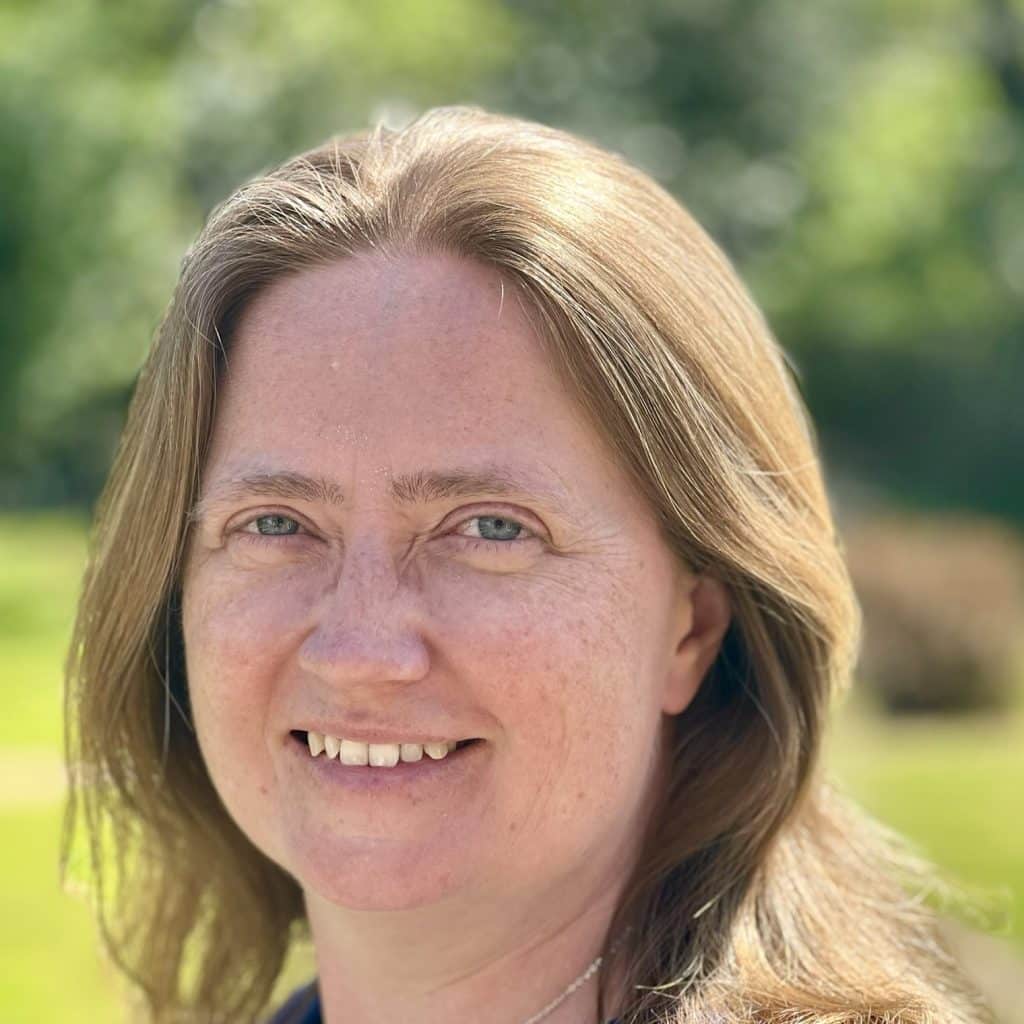
That doesn’t sound likely:
A practical guide to misinformation
Emma Monk
11 October Monday 19:30
The Plume of Feathers
19 Park Vista, Greenwich, SE10 9LZ
We live in an age of weaponised misinformation, from misleading statistics to fabricated headlines. But how do you spot it, and what do you do when you see a headline and think “that doesn’t sound likely”? Drawing on her work as a molecular biologist and writer of the Monk Debunks Substack, Emma Monk will walk you through the tools and techniques she uses to unpick misleading claims across the media and politics. Using real-world examples and a healthy dose of scepticism, expect to leave better equipped to question what you read and confident enough to push back.
Emma Monk is a researcher, writer, and anti-misinformation campaigner originally trained as a molecular geneticist. She applies scientific rigour to debunking misleading narratives across politics, media, and public discourse, examining how data and headlines are routinely misrepresented. Emma is the creator of the Monk Debunks: Beyond the Narrative Substack, and has appeared on BBC Radio 4’s More or Less, and James O’Brien’s LBC show, and her debunks have been discussed on podcasts including Quiet Riot and The Trawl, and quoted in The Guardian. Through her Substack, talks and workshops, she equips people with practical tools to spot misinformation, evaluate sources, and resist manipulation.
December 2027
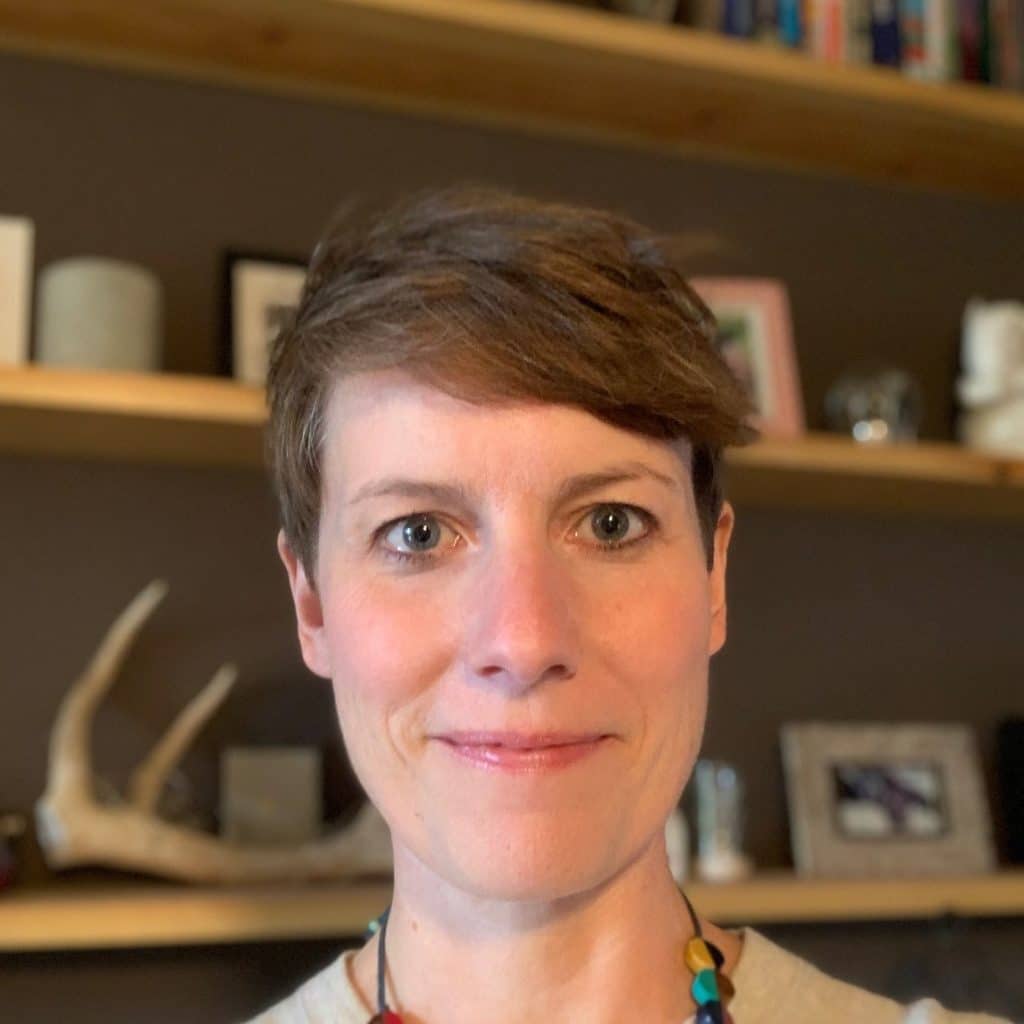
Who Do You Believe?
Memory, Evidence, and the
Kavanaugh – Blasey Ford Case
Professor Fiona Gabbert
13 December Monday 19:30
The Plume of Feathers
19 Park Vista, Greenwich, SE10 9LZ
In September 2018, the world watched as Dr Christine Blasey Ford accused US Supreme Court nominee Brett Kavanaugh of sexually assaulting her more than 30 years earlier. Ford described a traumatic event she said she remembered vividly. Kavanaugh categorically denied the accusation. With two conflicting accounts, decades-old memories, and limited independent evidence, how could anyone establish what really happened?
Using the Kavanaugh – Blasey Ford case as a case study, this talk explores the science of human memory and the challenges of investigating allegations made many years after an event. What happens to memories over time? Should we expect people to remember traumatic experiences accurately? Are gaps and inconsistencies in someone’s account signs that they are unreliable? And how can we distinguish between an honestly held memory and an accurate one?
We’ll examine how the allegations were investigated, the evidence that was available, and the difficulties involved in evaluating the competing accounts. Drawing on psychological research and best practices in investigative interviewing, we’ll also consider what could have been done differently, and how better questioning and more thorough investigation might have helped establish the facts.
Ultimately, this talk asks a deceptively simple question: when it’s one person’s word against another’s, how do we get closer to the truth?
Fiona Gabbert is Professor of Applied Psychology and Director of the Forensic Psychology Unit (FPU) at Goldsmiths, University of London. Her research focuses on investigative interviewing, professional information gathering, and the science of memory, with the aim of improving the quality, completeness, and reliability of information obtained from victims, witnesses, and other information providers. Her work includes developing evidence-based approaches to building rapport, facilitating accurate memory retrieval, and reducing suggestibility and other sources of error during interviews.
Fiona’s research has informed operational procedures, policy, and training internationally. She works closely with practitioners and policymakers to translate psychological science into practice, including collaborating with the College of Policing (UK) to develop Authorised Professional Practice for frontline officers gathering initial accounts, and contributing to the development of the Méndez Principles, establishing international standards for non-coercive interviewing.
Fiona also works with policing agencies and organisations including Amber Alert Europe, the National Crime Agency, Locate International, and the International Cold Case Analysis Project. This work applies psychological science to cold case investigations and missing person enquiries, improving the retrieval and evaluation of memory evidence and helping practitioners generate new investigative leads.